One idea an issue, every Tuesday at 7am. Each one names a place operators lose time or money, proves it with published research, and gives you a way to check it in your own shop that week — without hiring anyone.
I have no client case studies to show you, so I don't use any. Every figure in every issue is third-party published research with a named source, a date, and a sample size where one exists. You can verify the whole argument in ten minutes, which is rather the point.
No gated PDFs, no lead magnets, no drip sequence. One email on Tuesday, and every issue is published here in full whether you subscribe or not.
Opens your mail client. I add you by hand — no list-broker, no third party, no resale. Reply "stop" to any issue and you're off it the same day.
The FBI logged 12,368 real estate fraud complaints and $275.1 million in losses last year. Business email compromise came second across all internet crime at $3.04 billion, 86% of it moving by wire. The old advice was to spot the red flags. That advice is dead, and what replaces it is a step most shops have never written down.
Issue 066 Oct 2026A federal reporting rule for residential closings took effect on March 1st and was vacated nationwide on the 19th. It's now before the Fifth Circuit. If it returns, the filing window is thirty days — which is not enough time to invent a way to collect beneficial-ownership data you have never asked anyone for.
Issue 0529 Sep 2026MIT found only 40% of companies had bought an AI subscription while staff at more than 90% were using personal tools for work anyway. In a Fair-Housing-exposed business that gap is the actual risk — and banning it is not what closes it.
Issue 0422 Sep 2026Everyone predicted the law would wreck the New York rental market. Fifteen months of data say otherwise: rents up about 1.1%, renters saving $5,454 up front, and signed leases up 22% year-over-year in November. Nobody votes on the rule. Everybody votes on how fast their process changes.
Issue 0315 Sep 2026Hoboken's rent-control registration deadline is June 30. New Brunswick's is April 1. More than a hundred New Jersey municipalities run their own ordinance, and the resale certificate changes at every town line. The work with a date and a penalty attached is the work worth systematising — and nobody sells software for it.
Issue 028 Sep 2026NAR publishes a numbered list of every task an agent may perform in a residential transaction. Items 121 to 179 — fifty-nine of them — happen after somebody already said yes. The typical Realtor closed nine sides last year, down from ten. Sides fall; the list doesn't.
Issue 011 Sep 2026Adoption in real estate is effectively finished and half the users report no impact at all. The reason is visible in what the industry actually bought it for — and one industry over, the same eighteen months produced the opposite result.
NAR asks the same question every month and gets the same answer: around 12% of contracts settle late. It measures exactly one cause, and read carefully, that cause explains six delays in every hundred. Nothing accounts for the other ninety-four. That isn't the market — it's a handoff nobody owns.
Inman surveyed 435 agents in April. 71% use their own AI tools more than the ones their brokerage provides — and report significant gains at 33% against 17% for brokerage tools. That's not an adoption problem, and treating it as one is why the second rollout goes worse than the first.
The famous MIT number travelled as proof that AI is oversold. The useful half is what the surviving 5% had in common: they bought rather than built, attacked back-office friction rather than customer-facing flash, and measured whether a workflow actually changed. None of those is a technology decision.
MBA's Q2 2026 report: lenders spent $10,936 to produce each loan they closed and kept $973. The denominator is closed loans, so the files that died are in the cost. Personnel is about two-thirds of it, and nobody publishes how the post-application hours split. You can count them yourself in an afternoon.
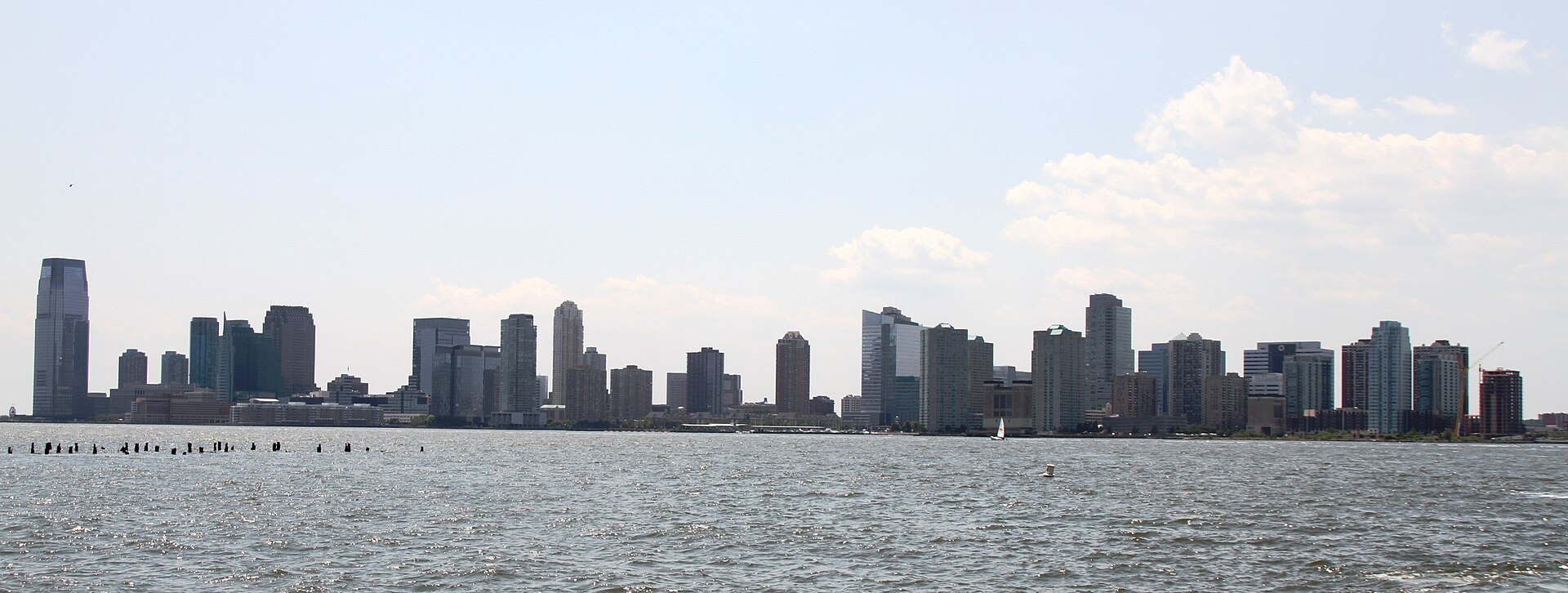
Every photograph here is a real place in the territory this newsletter covers, sourced from Wikimedia Commons and credited to whoever took it. Same standard as the numbers: if it cannot be checked, it does not run.
The issues give you the thinking. A free 20-minute call tells you whether your operation has something worth fixing. If it does, the diagnostic measures it: one week, fixed fee, $2,499, credited against the build if you go forward. If it doesn't, I'll say so on the call.